Link Vulturing: An Interesting New Link Building Tactic
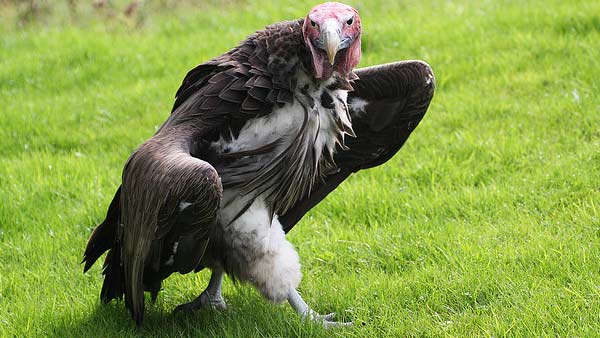
A little while ago, we received a form submission on our website that struck my curiousity:
Hi,
I just wanted to let you know that you have a broken link on an old entry of yours, here:www.newmediacampaigns.com/page/how-trent-reznors-new-media-tips-for-musicians-apply-to-your-organization
Specifically, the website doshdosh.com went offline in 2010 and no longer exists. If you are interested in correcting the link though, we've written a similar blog post about word of mouth marketing here on our blog so that you could fix it:
blog.hubspot.com/blog/tabid/6307/bid/30490/The-Qualities-of-a-Powerful-Word-of-Mouth-Marketing-Strategy.aspxThank you!
[redacted]@hubspot.com
We get a fair number of link requests from people hoping to build their Page Rank, but this one is a bit more compelling. It offers something useful: replace a dead link with one to our site.
When I get a request like this I tend to think about how it came about. Did this person actually visit our post, find a dead link and then look for useful content that could replace it? Was it a bot? I can never tell for sure, but in this situation I think there is a somewhat interesting story behind the link request.
The site that went down, doshdosh.com was an extremely popular web marketing blog (34k subscribers) that went offline somewhat mysteriously about two years ago. Even more strangely, the site went offline even though it wouldn't have required much upkeep to be fairly profitable given its traffic. Hubspot, the company requesting the link, runs an even more popular web marketing blog. They would obviously love to capture some of the doshdosh.com PageRank.
In order to do this, Hubspot needed to do a couple of things:
- Gather a list of all DoshDosh.com URLs
- Gather a list of URLs that link to those DoshDosh.com URLs (These could be ordered by PageRank)
- Map the URLs to relevant Hubspot Blog posts
- Create a link request template
- Manually go through the urls in step 2 and send the requests
What's amazing is how much of this process can be automated. The DoshDosh urls can be pulled from the web archive. The sites linking to those urls, ordered by PageRank can be done through the amazing SEOMoz Site Intelligence API. The link request templates could then be assembled in excel. In short order, hundreds of requests could be sent out.
I think calling this vulturing is apt. In nature, the vulture benefits and survives by playing a critical first step in the decomposition process. The web has always been plagued by dead links that infrequently get fixed. This tactic could become more widespread; it's automated and fairly symbiotic to the requester and the requestee.
So have we updated our dead link? Not yet. We probably won't -- we're just not sure how we feel about it.




Comments
dogs
After exploring a few of the blog articles on yourblog, I seriously like your technique of writing a blog. I book marked it to my bookmark webpage list
and will be checking back soon. Please check
out my web site too and let me know how you feel.
Gene Turquist
On reading about this new technique "Link Vulturing", I feel that it is the process of redirecting some dead links to live pages. I am not sure that I got right point or not. David please correct my point if I am considering wrong.David Johnston
This is an old tactic that works well. Hubspot has advanced crawlers and their systems are automated. You can bet your bottom dollar that a scraper bot is feeding a database and as script is doing the matching. Then another bot is sending the scraped contact info the email.Leave a comment